
Five Ways to Keep You and Your Family Safe This Winter

Winter often conjures cozy blankets and hot chocolate, but it’s also the prime season for colds, flus, and urgent care visits. Here are five ways to reduce germs at home and keep everyone healthier.

1) Wash your hands

Those 20 seconds with soap and water are still one of the easiest ways to avoid getting sick. When a sink isn’t nearby, use an alcohol-based hand sanitizer, but default to handwashing whenever possible.

2) Clean and disinfect high-touch surfaces

Viruses can linger on household surfaces and eventually make their way into the body. Use disinfecting wipes or sprays on heavily trafficked items such as:

  • Doorknobs and staircase railings
  • Light switches and faucets
  • Remote controls and mobile devices
  • Toilet handles and seats
  • Countertops and appliance handles

3) Make your health a priority

Your immune system is remarkable, but it needs proper support. Nutritious meals, movement, stress management, and adequate sleep keep defenses strong. Smoking, excess weight, or chronic stress can lower immune function and leave you vulnerable.

4) Stay current on vaccines

Appropriate vaccines (flu, pneumonia, COVID-19, etc.) protect you and those around you. Talk with your healthcare provider about which immunizations make sense for your age and risk factors.

5) See a provider when needed

Most colds resolve in one to two weeks with rest, fluids, and over-the-counter support. If symptoms worsen, a fever lingers, breathing becomes difficult, or you’re sick for more than 10–14 days, schedule a visit. Telehealth can handle most uncomplicated coughs and colds, and we’ll help you decide if an urgent care trip is warranted.

Testosterone Replacement Therapy

Testosterone is a naturally occurring sex hormone derived from the testicles of biological males. Although men produce twenty times more testosterone than women, the ovaries and adrenal glands of biological females also secrete small amounts. This article focuses on testosterone’s role in men and how we support patients with clinically low levels.

More than a “sex” hormone. Testosterone is responsible for traits such as facial hair, a deeper voice, and increased muscle mass. Beyond sexual desire, it helps generate red blood cells and sperm, regulates muscle mass, strength, bone density, and fat distribution, and even influences mood, memory, and motivation.

Symptoms of low testosterone vary from person to person. Wondering whether you might be affected? Here are common signs.

  • Low sex drive
  • Erectile dysfunction or softer erections
  • Difficulty producing or maintaining an erection
  • Weight gain
  • Depressed mood
  • Fatigue
  • Low motivation

After a thorough health history and lab review, we determine if you’re a candidate for testosterone replacement therapy (TRT). Treatment can be administered via injections, gels, patches, nasal sprays, or pellets. If other conditions contribute to your symptoms, we address those as well.

At Restored Health, we believe that treating hormonal deficiencies plays a vital role in living a balanced, energetic life. Take back your health so you can feel your best!

Benefits of Losing Just 10% of Your Body Weight

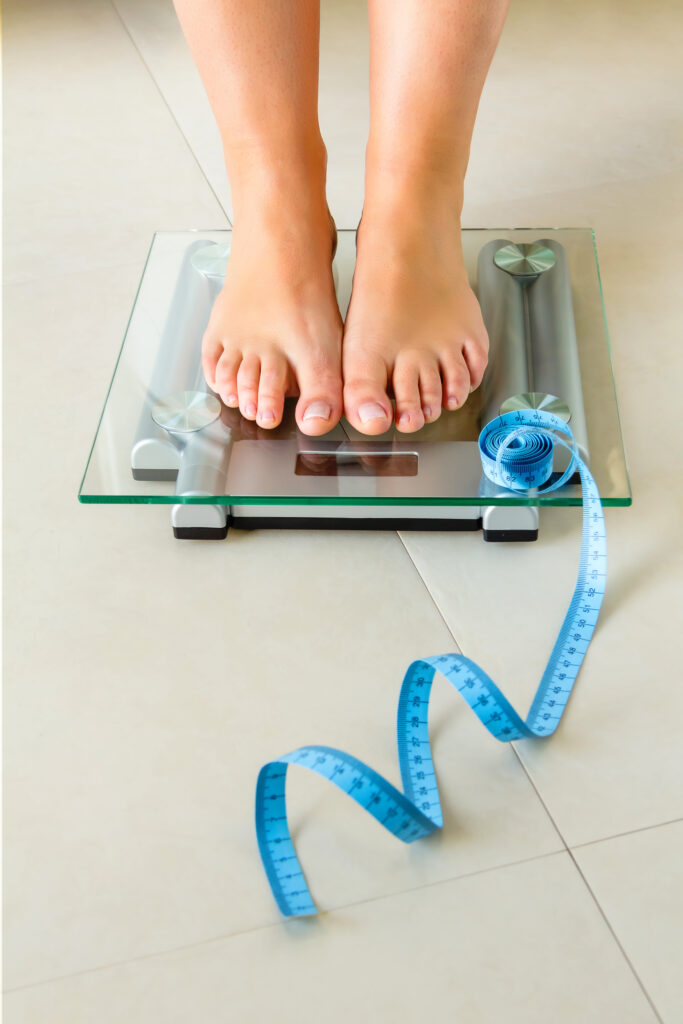
Losing weight isn’t easy. Instead of focusing on a large final number, break it into smaller wins. Dropping even 5–10% of your body weight brings measurable health improvements. Here’s what happens when you hit that first milestone.

1) Reduction in joint pain

You don’t have to lose 50+ pounds for your joints to notice. Less weight means less pressure and inflammation on hips, knees, and ankles, helping to prevent arthritis down the road.

2) Improvement in blood pressure

Excess weight forces your heart to work harder. Losing even a small percentage lowers pressure against artery walls and gives your cardiovascular system a break.

3) Better sleep

Extra weight—especially around the airway—raises the risk of obstructive sleep apnea. Shedding pounds improves airflow, reduces snoring, and makes sleep more restorative.

4) Reduced inflammation

Fat cells can release chemicals that promote inflammation, increasing the risk of heart disease, stroke, diabetes, and even cancer. Less fat means fewer inflammatory signals.

5) More sensitivity to insulin

Insulin acts like a key that unlocks cells so glucose can enter. When the body becomes insulin resistant, it needs more insulin to keep blood sugar in range. Losing weight—especially when paired with activity—improves sensitivity so glucose can be used efficiently instead of circulating in the bloodstream.

At Restored Health we help you set realistic goals, run labs, and personalize medication support when needed. Book now to get started on your journey to better energy and long-term health.